Maxwell J Crossley
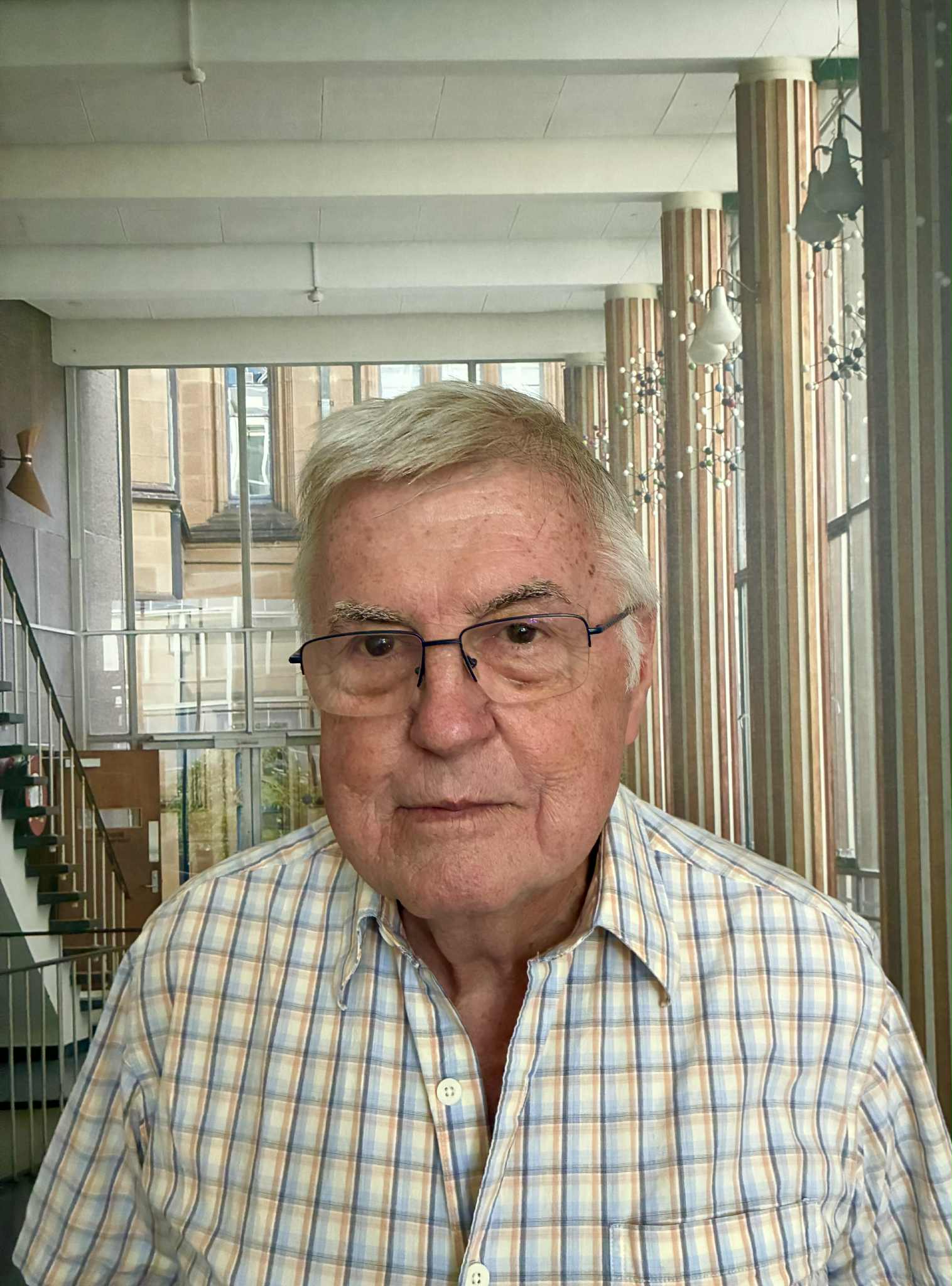
B.Sc (degree with honours) and Professor Kernot Prize, The University of Melbourne 1971
Ph.D. The University of Melbourne 1976
He then became a post-doctoral Fellow at the Research Institute for Medicine and Chemistry in Cambridge, Massachusetts with Nobel Laureate Professor Sir Derek Barton FRS, then spent two years as a Research Fellow at MIT in Cambridge, Massachusetts with Professor Jack E Baldwin FRS. In 1978 he moved to Oxford University where he continued to work with Professor Baldwin and returned to Australia in 1980 as a Research Fellow at the University of Melbourne. Later that year he moved to The University of Sydney where he has been based since having risen through the ranks. to Professor of Chemistry (Organic Chemistry). He was honoured by the University in 2008 being afforded the additional title by the University Senate - University Professorial Fellow - the only person in the University given this title by the Senate. He has held visiting appointments at the University of Cambridge, the University of Strasbourg, the University of Nijmegen, Osaka University, and IPC, Chinese Academy of Sciences, Beijing.
Honours and Prizes:
Elected to the Fellowship of the Australian Academy of Science (2001)
NSW state convenor of the Academy from 2013-2022.
The Birch Medal (1998) (RACI)
The H.G. Smith Memorial Medal (2001) (RACI)
Centenary Medal (2003) (Australian honours)
The David Craig Medal of the Australian Academy of Science (2012) Australia’s top chemistry prize
The Robert Burns Woodward Career Prize and $USD 5,000 Award of the Society for Porphyrins and Phthalocyanines (2012)
The Leighton Medal (2013) (RACI)
The Liversidge Lectureship (2019)
The JSPS Medal 2023 (Japanese Society for the Promotion of Science).
He has held a number of named Lectureships, given more than 90 conference plenaries, keynote and invited lectures. He mostly worked on porphyrins and related compounds but recently he has made a major advance with Dr Peter Canfield by unifying all of isomerism and giving structure to Chemical Space and providing the tools for its further exploration and for a new approach to Chemistry.
Abstracts this author is presenting: