Stephen L Buchwald
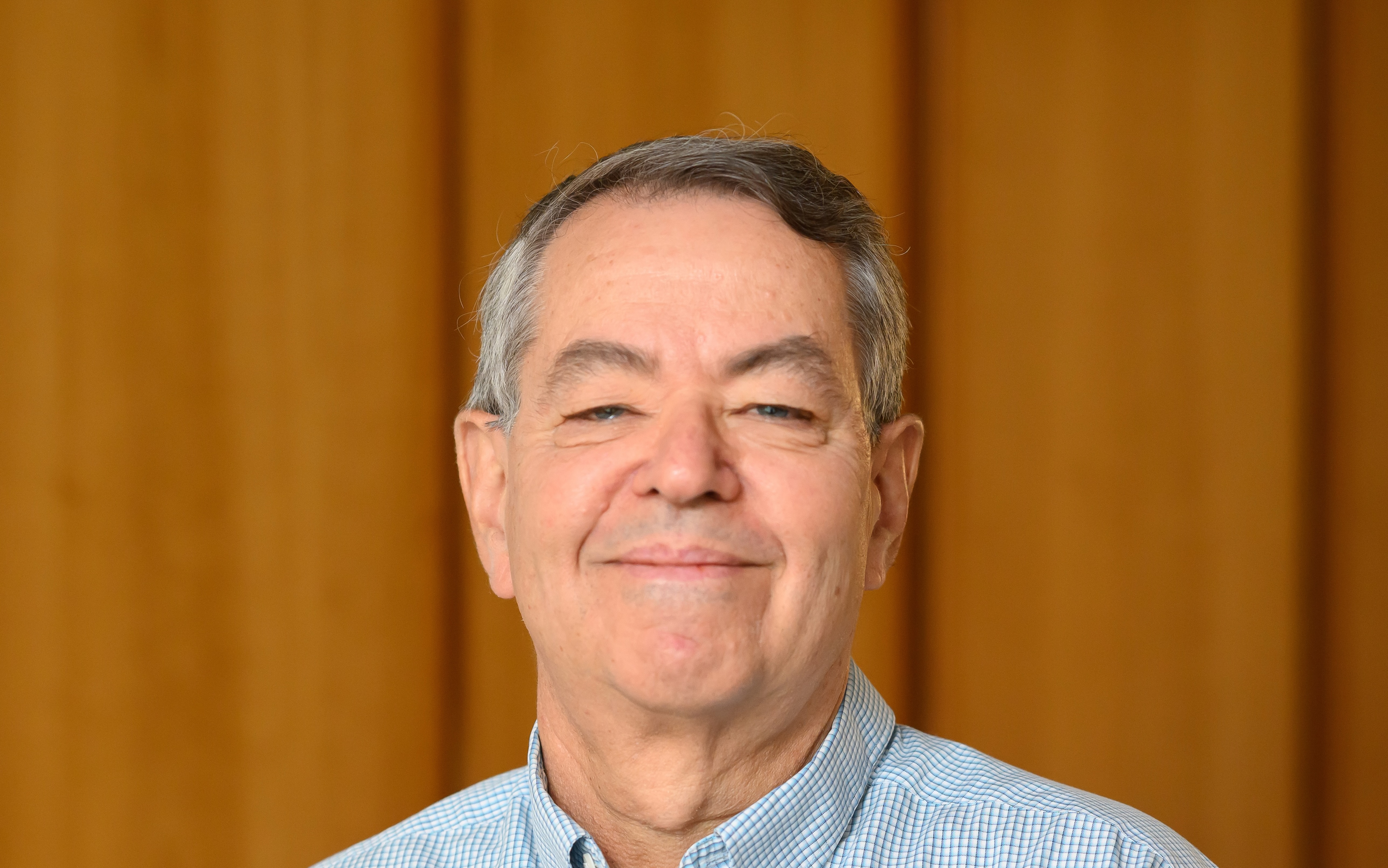
Stephen L. Buchwald was born in 1955 in Bloomington, Indiana. He received his Sc.B. from Brown University in 1977, where he worked with Kathlyn A. Parker and David E. Cane, as well as Professor Gilbert Stork at Columbia University. He entered Harvard University as a National Science Foundation Predoctoral Fellow in 1977 and received his Ph.D. in 1982 under the supervision of Jeremy R. Knowles. He was then a Myron A. Bantrell postdoctoral fellow at Caltech with Professor Robert H. Grubbs. In 1984, he began as an assistant professor of chemistry at MIT. He was promoted to associate professor (1989), then to professor (1993), and was named the Camille Dreyfus Professor in 1997. He served as MIT's Associate Head of the Chemistry Department from July 2015 to August 2023. He has received numerous honors, including the 2000 ACS Award in Organometallic Chemistry, the 2006 ACS Award for Creative Work in Synthetic Organic Chemistry, and the Gustavus J. Esselen Award for Chemistry in the Public Interest in 2010. He received the 2013 Arthur C. Cope Award (ACS), the Linus Pauling Medal Award, and the Ulysses Medal (2014). In 2015, he received the BBVA Frontiers in Knowledge Award in Basic Sciences (2014 Award). He also received the William H. Nichols Award from the New York ACS (2016). In 2017, he received the Nagoya Gold Medal Lecture Award and the Carothers Award from the Delaware Section of the American Chemical Society. In 2018, he received the Tetrahedron Prize and the Dr. Karl Wamser Innovation Award (from the Technische Universität München). He was conferred the 2019 Roger Adams Award (ACS) and the 2019 Wolf Prize in Chemistry. In 2020, he was awarded the Yamada Koga Prize from the University of Tokyo (received in 2023). In 2021, he was honored with the Huang Yaozeng Award in Organometallic Chemistry of the Chinese Chemical Society, the Award for Creativity in Molecular Design and Synthesis from the ACS Northern NJ Organic Topical Group, and the inaugural Akira Suzuki Award from the ICReDD, Hokkaido University. In 2022, he received the Paul Karrar Gold Medal from the University of Zürich. He is a fellow of the American Academy of Arts and Sciences and a member of the National Academy of Sciences.
Stephen L. Buchwald was born in 1955 in Bloomington, Indiana. He received his Sc.B. from Brown University in 1977, where he worked with Kathlyn A. Parker and David E. Cane, as well as Professor Gilbert Stork at Columbia University. He entered Harvard University as a National Science Foundation Predoctoral Fellow in 1977 and received his Ph.D. in 1982 under the supervision of Jeremy R. Knowles. He was then a Myron A. Bantrell postdoctoral fellow at Caltech with Professor Robert H. Grubbs. In 1984, he began as an assistant professor of chemistry at MIT. He was promoted to associate professor (1989), then to professor (1993), and was named the Camille Dreyfus Professor in 1997. He served as MIT's Associate Head of the Chemistry Department from July 2015 to August 2023. He has received numerous honors, including the 2000 ACS Award in Organometallic Chemistry, the 2006 ACS Award for Creative Work in Synthetic Organic Chemistry, and the Gustavus J. Esselen Award for Chemistry in the Public Interest in 2010. He received the 2013 Arthur C. Cope Award (ACS), the Linus Pauling Medal Award, and the Ulysses Medal (2014). In 2015, he received the BBVA Frontiers in Knowledge Award in Basic Sciences (2014 Award). He also received the William H. Nichols Award from the New York ACS (2016). In 2017, he received the Nagoya Gold Medal Lecture Award and the Carothers Award from the Delaware Section of the American Chemical Society. In 2018, he received the Tetrahedron Prize and the Dr. Karl Wamser Innovation Award (from the Technische Universität München). He was conferred the 2019 Roger Adams Award (ACS) and the 2019 Wolf Prize in Chemistry. In 2020, he was awarded the Yamada Koga Prize from the University of Tokyo (received in 2023). In 2021, he was honored with the Huang Yaozeng Award in Organometallic Chemistry of the Chinese Chemical Society, the Award for Creativity in Molecular Design and Synthesis from the ACS Northern NJ Organic Topical Group, and the inaugural Akira Suzuki Award from the ICReDD, Hokkaido University. In 2022, he received the Paul Karrar Gold Medal from the University of Zürich. He is a fellow of the American Academy of Arts and Sciences and a member of the National Academy of Sciences.
Abstracts this author is presenting: